



Life sometimes delivers blows that knock us to our knees. Trauma and loss can shatter our world like glass hitting concrete. Yet within every broken heart lies an incredible capacity for renewal. The human spirit possesses an amazing ability to rebuild, stronger than before.
Millions of people walk through devastating experiences each year. Some remain stuck in the wreckage. Others discover something remarkable: trauma can become a teacher, and loss can lead to profound transformation. The choice between staying broken or becoming whole again rests entirely in our hands.
This journey isn’t about forgetting the past or pretending everything is fine. Instead, it’s about learning to dance with our scars and build something beautiful from the pieces. Recovery requires courage, patience, and the right tools. Most importantly, it demands we believe in our own capacity to heal.
The numbers you were born with are arguing with each other.
Discover which one is winning — and what your seven core numbers reveal about who you really are beneath everything else.
Get Your Free Reading
Understanding the Healing Process

The Nature of Trauma and Recovery
Trauma affects everyone differently. Some people bounce back quickly, while others need months or years to process their experiences. Both responses are completely normal. Your healing timeline belongs to you alone.
The brain actually changes after traumatic events. Scientists have discovered that our neural pathways can be rewired through intentional healing practices. This means recovery isn’t just possible—it’s built into our biology.
Why Traditional Approaches Sometimes Fall Short
Many people try to “think positive” their way out of pain. Unfortunately, this approach often backfires. Real healing requires us to face our emotions head-on, not bypass them with forced optimism.
Ancient wisdom teaches us that healing happens in layers. We don’t fix ourselves overnight like repairing a broken appliance. Instead, we gently tend to our wounds like gardeners nurturing new growth.
The Role of Spirituality in Recovery
Spirituality doesn’t require religious beliefs or specific practices. It simply means connecting with something larger than ourselves. This connection provides strength when our own resources feel depleted.
Research shows that people with spiritual practices recover from trauma more effectively. Prayer, meditation, and connection to nature all activate the body’s natural healing mechanisms. Even a daily walk outside can shift our entire perspective.
1. Create Sacred Space for Your Emotions
The first step in rebuilding involves giving yourself permission to feel everything. Our culture often pressures us to “get over it” quickly. However, rushing through grief is like trying to speed through a hurricane—it only creates more chaos.
Sacred emotional space means creating time and place for your feelings to exist without judgment. This might involve journaling for twenty minutes each morning or sitting quietly with your thoughts before bed. The key is consistency, not perfection.
Many people fear that acknowledging pain will make it worse. Actually, the opposite happens. Emotions are like ocean waves—they build up when we resist them and naturally subside when we let them flow. Suppressed feelings don’t disappear; they go underground and create problems later.
Try talking to your emotions like old friends visiting for tea. “Hello, sadness. I see you need attention today.” This approach transforms our relationship with difficult feelings from enemy to teacher. Even anger has wisdom to offer when we listen carefully.
2. Rebuild Your Foundation with Daily Rituals
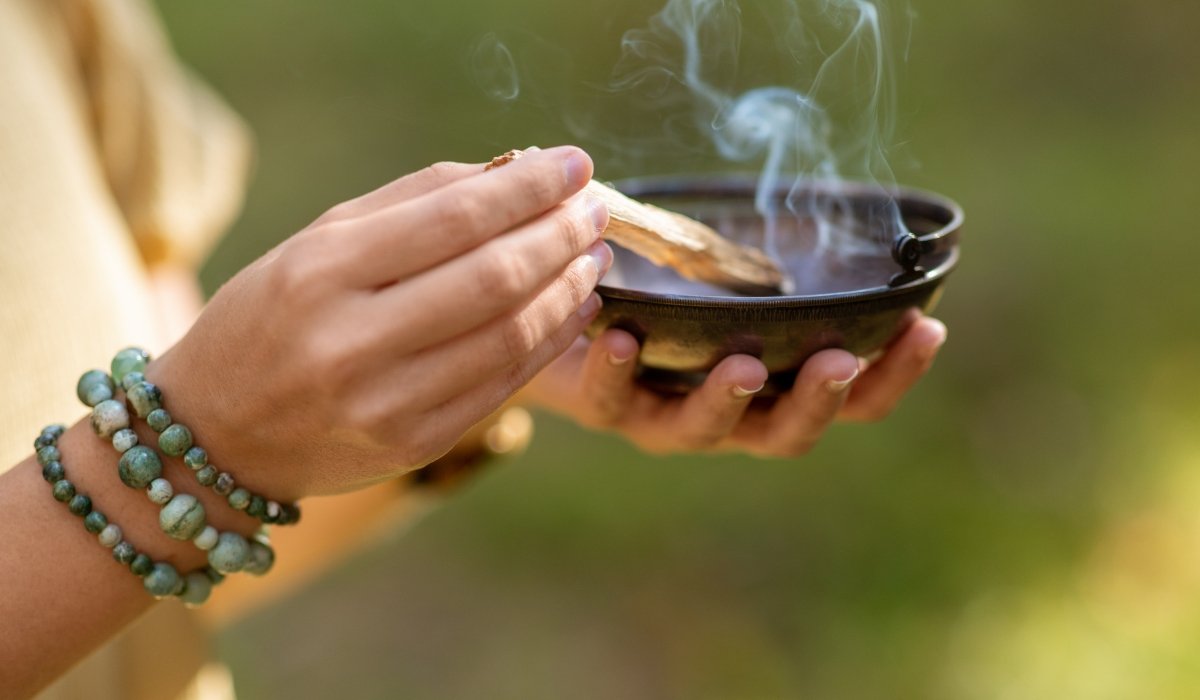
Trauma shakes our sense of safety and predictability. Daily rituals help restore order and meaning to our lives. These don’t need to be elaborate ceremonies—simple, consistent actions work best.
Morning routines anchor us in the present moment. Perhaps you start each day with three deep breaths and a moment of gratitude. Maybe you light a candle while drinking your coffee. The specific action matters less than the intention behind it.
Evening rituals help process the day and prepare for rest. Some people write in gratitude journals, while others practice gentle stretching or meditation. Choose activities that feel nurturing rather than demanding.
Seasonal rituals connect us to natural cycles of renewal. Planting seeds in spring, watching leaves change in autumn, or celebrating winter solstice all remind us that life moves in patterns of death and rebirth. We’re part of this eternal dance.
Create rituals around difficult anniversaries too. Instead of dreading these dates, transform them into opportunities for honoring what you’ve lost while celebrating how far you’ve come. Light candles, share stories, or perform acts of service in memory of what’s gone.
3. Cultivate Radical Self-Compassion
Self-compassion means treating yourself with the same kindness you’d show a beloved friend going through hard times. Most people are their own harshest critics, especially after trauma. This inner cruelty actually slows healing.
Start by noticing your internal dialogue. Would you speak to anyone else the way you speak to yourself? If the answer is no, it’s time for a gentler approach. Replace harsh self-judgment with curious understanding.
Dr. Kristin Neff’s research reveals that self-compassion has three components: mindfulness (acknowledging pain without getting overwhelmed), common humanity (remembering you’re not alone in suffering), and self-kindness (offering yourself comfort and care).
Practice speaking to yourself in second person during difficult moments. “You’re having a really hard time right now, and that’s understandable. You’re doing the best you can with what you have.” This simple shift creates emotional distance and reduces overwhelm.
Physical self-care becomes an act of radical compassion. When you’re struggling to shower or eat properly, these basic activities become sacred acts of self-love. Every healthy choice whispers to your soul: “You matter. You’re worth caring for.”
4. Find Your Cohort and Let Them Help

Isolation amplifies trauma while connection heals it. Unfortunately, trauma often makes us want to hide from others. We fear being judged, misunderstood, or becoming a burden. These fears, while natural, keep us stuck in pain.
Finding your cohort doesn’t mean surrounding yourself with dozens of people. Sometimes one truly supportive friend makes all the difference. Look for people who can sit with your pain without trying to fix you or rush your healing.
Support groups offer unique healing opportunities. Whether formal therapy groups or informal gatherings, being around others who understand your experience reduces shame and isolation. Sharing your story in a safe space often reveals its power to help others heal too.
Online communities can provide 24/7 support when local options feel limited. However, choose these spaces carefully. Look for groups focused on healing and growth rather than staying stuck in victimhood. The energy of your virtual cohort matters as much as your physical one.
Don’t forget about professional help. Therapists, counselors, and spiritual directors are trained guides who can offer tools and perspectives you might not discover alone. There’s no shame in needing professional support—it’s actually a sign of wisdom and strength.
5. Transform Pain into Purpose
One of trauma’s hidden gifts is its ability to crack us open to deeper purpose. When everything familiar crumbles, we’re forced to examine what truly matters. This process, while painful, often reveals our authentic calling.
Many people discover their life’s work through their wounds. The person who loses a child becomes an advocate for safety reforms. The survivor of addiction helps others find sobriety. The trauma that nearly destroyed them becomes the foundation for meaningful contribution.
Purpose doesn’t always involve grand gestures or career changes. Sometimes it’s as simple as becoming the person who listens without judgment or the neighbor who checks on older residents. Small acts of service ripple outward in ways we can’t imagine.
Keep a “purpose journal” where you explore how your experiences might serve others. Write about the insights you’ve gained, the strength you’ve developed, and the compassion you’ve cultivated. These reflections often reveal unexpected directions for growth.
Remember that finding purpose is a process, not a destination. Your understanding of how to use your experiences will evolve over time. Stay open to possibilities you can’t currently see.
6. Embrace the Phoenix Within

The phoenix mythically burns to ashes before rising renewed. This ancient symbol speaks to trauma’s transformative potential. What feels like death often precedes unprecedented growth and wisdom.
Embracing your inner phoenix means accepting that you’re not trying to return to who you were before. That person may no longer exist, and that’s okay. Instead, you’re becoming someone entirely new—someone forged by fire and strengthened by survival.
This transformation requires releasing attachment to your former identity. Grief often includes mourning not just what we lost, but who we used to be. Allow yourself to grieve the innocent person who existed before trauma touched your life.
Look for evidence of your phoenix nature in small daily victories. Maybe you laughed genuinely for the first time in months. Perhaps you helped someone else despite your own pain. These moments prove that new life is already stirring within the ashes.
Create a phoenix ritual to honor your transformation. Write down aspects of your old self you’re ready to release, then safely burn the paper. Plant something beautiful in the ashes. This symbolic act acknowledges both ending and beginning.
Conclusion
Rebuilding after trauma isn’t about returning to normal—it’s about creating a new normal that honors both your wounds and your strength. The six pathways explored here offer practical steps toward renewal, but remember that healing isn’t linear. Some days will feel like giant leaps forward, while others might feel like sliding backward. Both are part of the journey.
Your trauma story doesn’t define you, but it has shaped you into someone with unique wisdom and compassion. The very experiences that broke you can become the foundation for helping others heal. In transforming your pain into purpose, you join an ancient lineage of wounded healers who light the way for others walking through darkness.
The phoenix rises not because the fire was pleasant, but because transformation was necessary. Your ashes contain the seeds of unprecedented beauty. Trust the process, be patient with yourself, and remember—you’re not just surviving. You’re becoming.


