



Human beings have a feeling that there are deeper patterns to life just beneath the surface.
You might notice coincidences that appear more than random chance, or moments when your mood seems to affect the world around you.
Most traditions have called these invisible forces “spiritual laws.” Although they can appear mysterious, these laws can guide thoughts and actions, offering a deeper sense of direction.
The numbers you were born with are arguing with each other.
Discover which one is winning — and what your seven core numbers reveal about who you really are beneath everything else.
Get Your Free ReadingWhether you’re a student, a parent, a professional, or somewhere in between, using these spiritual laws can bring peace, clarity, and a renewed sense of purpose.
Some refer to these ideas as wishful thinking. Others see them as universal principles that weave through all of human life.
Wherever you stand, they invite you to reflect on five basic spiritual laws that can open up new ways of tackling life’s daily challenges. And these insights don’t require that you reverse your life overnight.
You can experiment with them step by step, noticing how each law might alter your outlook and improve your relationships, if only in small ways.
What follows are five such laws that have been presented by seekers over the centuries.
Take them in with an open mind, and you may sense an immediate spark of positive change.
Tracing the Invisible Threads
The majority of these spiritual laws address the relationships between thoughts, feelings, and results. Picture them as transparent threads weaving your interior world into the outer one.
If you’ve ever felt lighter after offering kindness, or noticed more conflict when you have anger in your heart, you’ve already caught a glimpse.
Applying these laws can be like turning on the light in a room that’s been dark: everything was there all along, but now you see it more clearly. From there, you can make decisions on how to structure your thoughts, words, and actions to be in alignment with the life you want.
1. The Law of Intention

Power Behind Every Thought
It’s referred to as willpower by some, prayer by others. Regardless, when you set a clear intention, you’re directing energy toward a desire. The mind can be a laser, homing in on what’s most vital and dismissing all else. This doesn’t mean every whim will magically appear. Rather, it’s a reminder that a clear mind is more likely to result in congruent action. When your plan or dream is clearly defined, you’re less likely to veer off into distractions or doubts.
Practical Tip
Before trying anything—be it a paper, a dreaded phone call, or a new hobby—take a moment to set an intention. You can say, “I intend to do my best and learn from the experience.”
This in itself can calm nerves and set you on a path to make productive choices. It is like opening a pathway in your mind. With less mental resistance, you are more likely to follow through with confidence.
2. The Law of Reciprocity
What You Give, You Gain
In everyday life, this law often appears as kindness returning to you after you’ve done a good deed, or tension occurring when hurtful words are exchanged.
It’s similar to the old saying, “Treat others the way you want to be treated.” On a spiritual plane, it means the energy you send out—whether helpfulness, judgment, or compassion—eventually returns around.
This doesn’t guarantee a one-for-one trade, but it does mean patterns: negativity draws more negativity, and warmth generates more warmth.
Practical Tip
The next time you’re rebuffed by a colleague or friend, try an experiment and turn your reaction around. Instead of snapping back, respond with calm or even warmth.
Notice how it changes the mood—both internally and between you and the other person.
It won’t settle all disputes, but this law teaches that your behavior can dictate what returns to you in the end, creating stronger bonds and reducing unnecessary conflict.
3. The Law of Vibration

The Energy of Emotions
Everything, from the chair you are sitting on to the emotions you are feeling, carries a certain “vibration.” Joy, love, and hope are high vibrations, while fear, anger, and despair are low ones.
Most of us move back and forth between these on a daily basis, but becoming aware of your emotional “frequency” can enable you to shift out of the negativity. It also affects the manner in which you view the world.
Things appear smaller and more manageable when you are in the higher state.
Practical Tip
If you find yourself stuck in a negative state, halt and take a few deep breaths and do something simple that gives small joy. Hear a happy song, look at a funny picture, or recall a sweet memory.
Such small bursts of joy can raise your own vibration, influencing how you respond to challenge. Over time, this practice can create a tendency to bounce back more quickly from distress or disillusionment.
4. The Law of Alignment
Mind, Heart, and Action in Harmony
Most people speak big dreams or claim to possess clear goals but never take a step in their direction. The Law of Alignment dictates your thoughts, emotions, and actions must all be pointing in the same direction to move effortlessly.
When a part of you wants to start a new business but another part of you fears failure and is pulling back, you’re not in alignment. This can create stress and confusion.
Practical Tip
Consider one of your goals, like better health or learning something new. Do your everyday habits support that goal?
If you say you want to run a marathon but never schedule time to run, you’re out of alignment. Try writing down why you want the goal, and then writing down what you actually do.
Where there’s a mismatch, either modify your behavior or your goal to bring them into alignment. Tiny adjustments can create a huge difference in momentum.
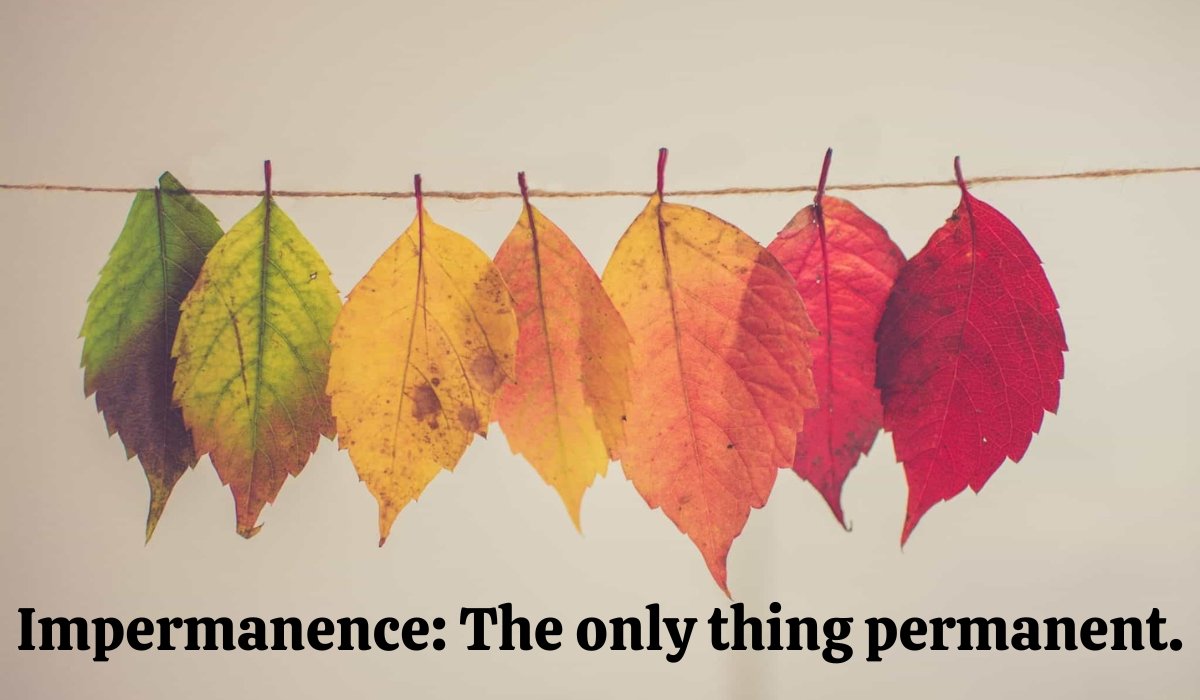
5. The Law of Impermanence
All Things Ebb and Flow
We have the habit of assuming circumstances—either good or bad—will be forever. We cling desperately to moments of joy and despair in moments of adversity.
The Law of Impermanence reminds us that change is certain. This awareness can bring tranquility to challenging days and grateful awareness to happy days.
It’s not a deprivation of hope; it’s the acknowledgment that no situation is set in concrete.
Practical Tip
When tribulations get you down, try recalling past ones that did get solved. This can make you understand that current challenges, too, will be short-lived. Similarly, relish the good times by being fully present, because they won’t always be there.
Embracing impermanence can reduce stress, prevent taking blessings for granted, and usher in more compassion for the afflicted.
Weaving These Laws into Everyday Life These five spiritual laws—Intention, Reciprocity, Vibration, Alignment, and Impermanence—interact more than most people know.
They offer a roadmap to living with less confusion and more purpose. Think of them as an ecosystem: each law supports the others, navigating you through life’s ups and downs.
For example, after you accept that nothing is permanent (Impermanence), you might choose to put more positive energy into the world (Reciprocity) and keep your emotions at a balanced frequency (Vibration).
That decision likely leads to clearer goals (Intention) and keeps you behaving with consistency (Alignment). A good way to begin is to select just one law to focus on for a week. Observe how it shows up in your thoughts, words, and actions each day.
Keep daily observations about what happens. Slowly add another law to your practice. This step-by-step process enables you to see real proof of these principles at work.
You might find that even slight shifts in thinking or action open doors you weren’t aware were there.
Whether it’s a newer sense of peace, improved friendships, or new ideas surfacing, small shifts can reverberate in big ways.
Conclusion
Even if you are skeptical about spiritual laws, these guiding principles can be useful tools, enabling you to more clearly know your own mind and relationships.
By setting clear intentions, being kind to others, checking your emotional state, aligning actions with true intentions, and recalling that everything changes, you can realize subtle but immediate advantages.
The world still has its issues, but living in alignment with these principles can allow you to move through them with greater ease and awareness. You do not have to become a mystic or spend hours meditating to benefit.
Just keep your mind open, attempt one law, and see how your thinking shifts. For many who try this, life becomes less of a puzzle and more of a delicate dance, where every step and choice matters.
That alone can dramatically influence your overall happiness, making every day a bit more complete and meaningful.


