


We all are familiar with that jolt of recognition known as déjà vu.
You might get it when you visit a new place or talk with someone new. The entire scene feels strangely familiar, as though the brain has already experienced something that doesn’t belong to it.
The sensation might be brief, but it leaves one wondering: Is this a quirk of the brain, or something more profound?
The numbers you were born with are arguing with each other.
Discover which one is winning — and what your seven core numbers reveal about who you really are beneath everything else.
Get Your Free ReadingMany belief systems and societies across the centuries have pondered that question, mixing science, spirituality, and anecdotal explanation for why the human brain sometimes believes it’s “been there.”
Some theories propose that déjà vu is the brain’s information-organization mechanism, an occasional glitch in the formation of memories.
Others see something more mystical: that, perhaps, time isn’t linear, and déjà vu presents us with a fleeting glimpse behind the curtain of reality.
From a spiritual point of view, these inexplicable events might be the universe’s way of reminding us to pay attention.
Whether you’re more scientifically or mystically oriented, the universal reaction remains the same—a mixture of awe and discomfort. In the following pages, we’ll examine the popular theories, ancient and new, as to why déjà vu occurs and the messages it may be sending.
Where your belief falls, the truth cannot be denied:
déjà vu has the ability to stop anyone dead in their tracks, making the world confusing and meaningful in a split second.
It may be a malfunction in the wiring of your brain, or it may be a summons to pay closer attention. In either case, these experiences are a chance to pause and reflect on the mysteries of life.
They make you ask deeper questions, turn inward, and figure out whether something exists in that unsettling sense that you already know the place.
And even when nothing emerges, the excitement about the unknown persists, urging you on to keep exploring the secret spaces in the mundane for more.
1. Breaking the Brain’s Bug
Misfiring Memory or Spot-On Recollection
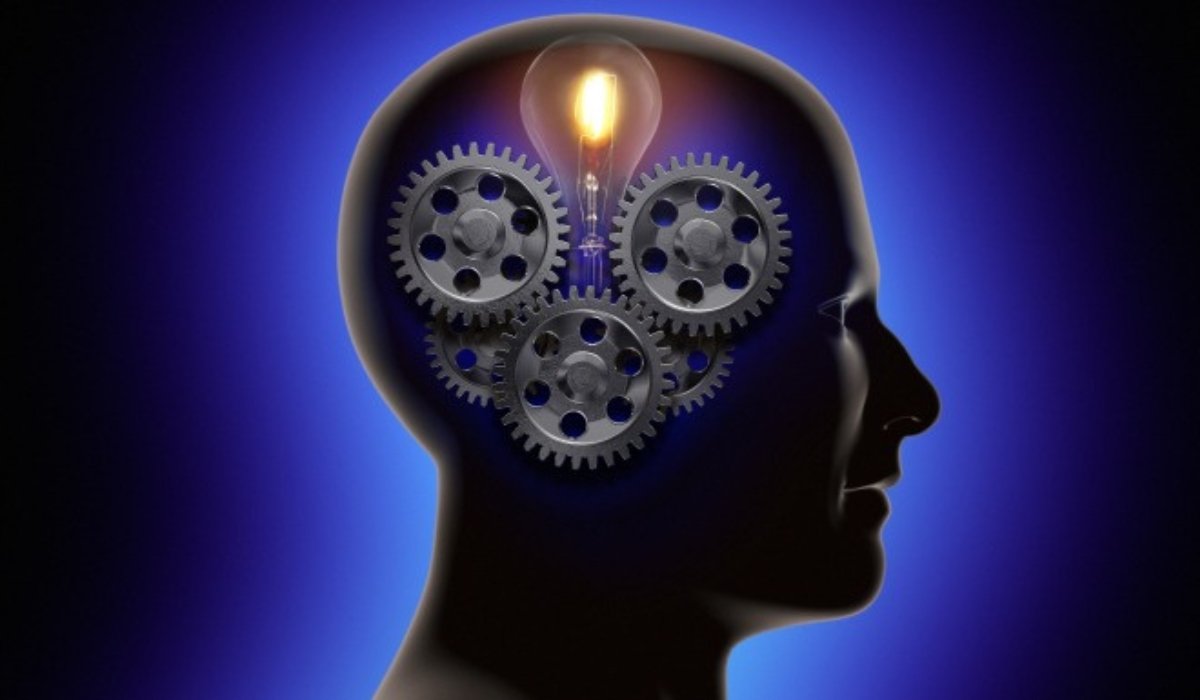
Researchers typically describe déjà vu as a minuscule malfunction in the brain’s memory system.
The hippocampus, the part of the brain that forms and retrieves memories, might momentarily blend a current scene with something that resembles an earlier episode.
This confusion leads to the illusion that one repeats a memory when, in fact, there isn’t actually a memory involved.
Some research even points to the fact that those who are more stressed or exhausted might be more prone to experiencing déjà vu, as the mind might be more likely to be confused when under stress.
A Glance at Earlier Trends
Aside from errors in memory, another hypothesis suggests that déjà vu has something to do with pattern recognition.
The brain is constantly searching the environment for something that’s familiar—shapes, configurations, or emotional associations from elsewhere in the past.
If a current situation has some resemblance to an earlier one, the brain might jump to the notion that “we’ve been here before,” even when we’re not able to recall the memory.
It’s as though the mind fills in the pieces on a jigsaw puzzle in a hurry. This explanation attempts to be reasonable but doesn’t account for why some episodes of déjà vu feel so deeply spiritual or emotional in nature.
Where Science Meets Mystery
Whereas scientific explanation attempts to explain déjà vu in physical terms, the phenomenon remains full of unanswered questions.
Why do the experiences generate so much emotion, sometimes causing shivers to the spine?
And why do some experiences of déjà vu bring insights, as in the sudden awareness that life is more than it seems to be? Even as science learns more, there remains space where rational explanation and profound awe intersect.
2. Echoes of the Soul
Multiple Lifetimes or Parallel Worlds
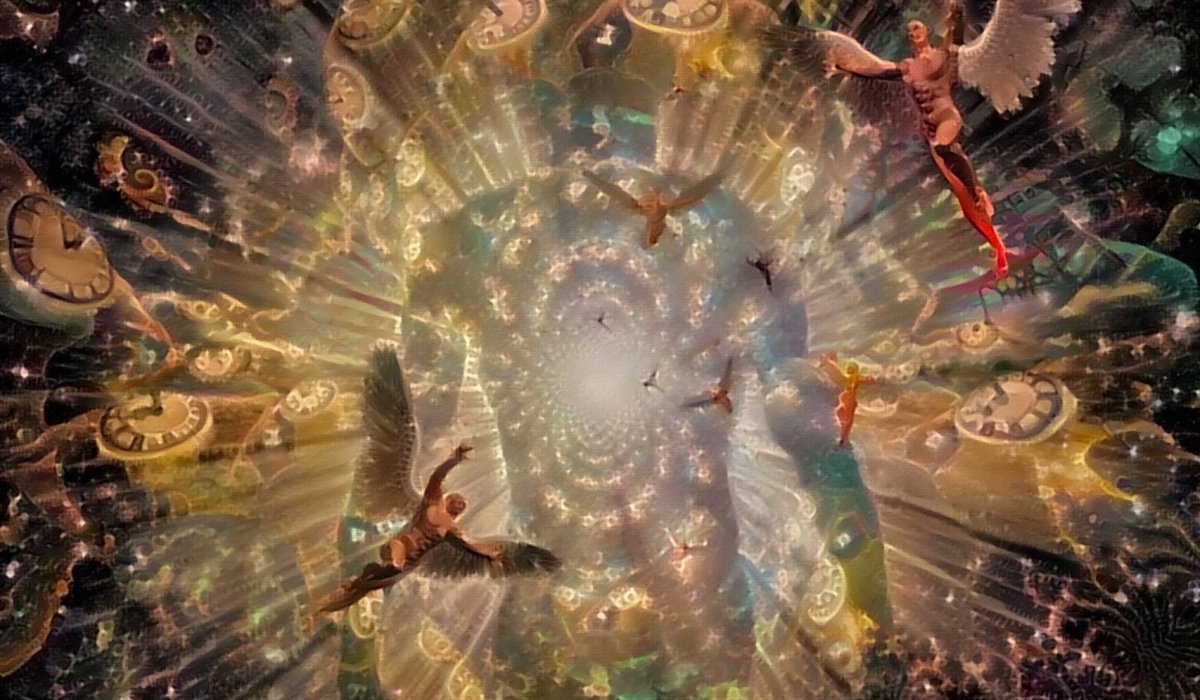
Several religious traditions interpret déjà vu as an indication of layered existence. According to these beliefs, the soul does not live but once.
It exists across lifetimes or even alternate worlds. Experiencing déjà vu may be a sign that a memory from a previous life has leaked into the current one.
Alternatively, it may be seeing another timeline where the events happen in a different way.
For those who are receptive to these concepts, each occurrence of déjà vu becomes a puzzle fragment indicating a reality with many layers.
A Reminder to Pay Attention
Others interpret déjà vu as a gentle nudge by the universe, reminding us to stop and take note.
Perhaps you’re about to meet someone who becomes important in your life, or you’re about to take a job that unlocks big lessons. The sense of familiarity, as though the past folded over the current, tells us something big is brewing.
Instead of brushing it off, this mindset invites us to stop and ask: “What’s happening here that I need to learn or better observe?”
Feelings that Linger
Déjà vu for some has a powerful emotional pull, for instance, a sense of recognition or warmth.
This might be the case when it happens with another person as well. There might be an automatic rapport, as though you had known the other person for decades.
Spiritual beliefs are that these feelings typically point to soul-level connections—relationships formed either before or beyond this life.
People who aren’t religious might even recognize that when these events happen, they feel strangely comforted or guided.
3. Signs from the Universe Synchronicities and Cosmic Clues

Déjà vu might be preceded by a string of coincidences in your life, known as synchronicities.
You might be constantly reading the same ideas in books, or the same individual’s name keeps popping up in conversations everywhere you go.
And, all of a sudden, a déjà vu strikes, and you feel as though the universe has a message for you.
Whether the message is about future decisions, personal growth, or a shift in direction, many regard these “cosmic hints” as guiding you towards your higher calling.
Trusting Inner Guidance:
If you view déjà vu as a signpost, and not as an abnormal brain phenomenon, it can inspire trust in your intuition.
If it does occur, some people prefer to shut their eyes for a split second or slowly breathe in. They might quietly ask themselves, “What am I meant to be paying attention to right now?”
This approach views déjà vu as part of an inner compass. If you listen to these occurrences throughout the years, your intuition gets strengthened, as you observe how many times subtle clues lead to major discoveries or decisions.
Balancing Wonder and Logic
There is value in embracing both points: the rational aspect of the mind and the soul’s need for something more depthful.
On the one, acceptance that the brain does make errors prevents us from over-analyzing each glitch of familiarity.
On the other, it’s still conceivable that these odd experiences occur when we require a wake-up call or a push to live more intentionally in life.
Being receptive to both sides has the ability to make déjà vu an invitation for thoughtful consideration.
Seeking Meaning in the Mundane
The day-to-day routines become an effortless continuum: up, off to school or work, chores, and relaxation.
But the jolt of déjà vu shatters the routine.
Time isn’t as straightforward as on other days. In that brief moment, the layers of life are more complicated, as if you’re at the crossroads of your past, your life as it stands, and an unknown future all at the same moment.
In this context, déjà vu becomes less a peculiar mental malfunction and more an entry point to self-reflection. From Curiosity to Growth Most who go through these encounters find that it results in self-awareness.
They may ask more profound questions: Am I on the right path I need to be on? Are there goals or friendships I’ve let go that could be essential to my path?
These questions, with the passage of time, can result in real change, such as pursuing a dream that seemed impossible or reconnecting with a good friend who has provided encouragement.
Déjà vu becomes less about strange feelings and more about personal growth. Accepting the Mystery It’s fine to leave these experiences partly unexplained.
In a society that prefers clear answers, leaving space for mystery is a breath of fresh air.
Being comfortable with the truth that some experiences transcend simple explanation has the ability to expand the heart and the mind.
Whether déjà vu originates in unconscious memories, other dimensions, or as a fleeting brain glitch, the wonder it creates has the ability to make us curious, humble, and in awe of the secret layers of life.
Conclusion
Déjà vu stands at the crossroads where science and spirituality come face to face. Scientists consider it a malfunction in the memory, a sudden misfire of the brain cells.
Spiritual views suggest it’s something more profound—a sign that reminds us of past lives, secret soul connections, or cosmic guidance that drives us forward.


